
Nutrition Tips for Men Over 40
Discover evidence-based nutritional guidance to support your health and vitality in your 40s and beyond
The information on this site is for educational purposes only and does not constitute medical advice. Always consult a qualified healthcare professional before making health decisions.
Why Nutrition Matters After 40
As men age, nutritional requirements shift significantly. Metabolism slows, muscle mass naturally declines, and micronutrient absorption becomes less efficient. The foods and eating patterns that worked in your 20s and 30s may no longer serve your body optimally.
At Nutritiongainsmalehealth, we understand these unique challenges. Proper nutrition during this life stage supports bone density, cardiovascular function, muscle maintenance, cognitive performance, and energy levels. Strategic dietary adjustments can make a substantial difference in how you feel and function every day.
Our editorial content explores practical, science-informed nutrition strategies designed specifically for men navigating their 40s and beyond. From macronutrient balance to essential micronutrients, we break down what the research shows about optimal eating patterns for this demographic.

Browse Our Content Categories
Explore our comprehensive collection of articles and guides organized by topic. Each section provides in-depth information to help you make informed nutritional choices.
Protein & Muscle Maintenance
Discover optimal protein intake, timing strategies, and sources to preserve and build lean muscle mass. Learn about amino acid profiles and how they support your strength as you age.
Read Our GuidesHeart Health & Nutrition
Explore nutritional approaches that support cardiovascular function. Learn about omega-3 fatty acids, fiber intake, sodium balance, and antioxidant-rich foods for optimal heart health.
Read Our GuidesEnergy & Metabolism
Understand how to optimize energy levels through proper carbohydrate selection, meal timing, and nutrient density. Explore strategies to support metabolic health and sustained vitality.
Read Our GuidesBone Density & Minerals
Learn about calcium, magnesium, vitamin D, and other minerals critical for bone strength. Discover nutritional strategies to support skeletal health and reduce fragility risk.Read Our Guides
Brain Health & Cognition
Explore nutritional science supporting mental clarity, focus, and cognitive longevity. Learn about antioxidants, healthy fats, and micronutrients that protect brain function.
Read Our GuidesImmune & Inflammation Support
Discover how nutrition influences immune resilience and inflammatory responses. Learn about vitamins, minerals, and plant compounds that support your body's natural defenses.
Read Our GuidesFeatured Nutrition Articles

Daily Protein Requirements for Men Over 40
Understanding your protein needs becomes increasingly important as you age. Research shows that men over 40 benefit from higher protein intake to maintain muscle mass and support metabolic health.
Read Article
The Role of Healthy Fats in Men's Nutrition
Not all fats are created equal. Learn about omega-3 and omega-6 fatty acids, monounsaturated fats, and how they support cardiovascular function and hormonal balance in middle-aged men.
Read Article
Essential Micronutrients: Vitamins & Minerals You Need
As metabolism changes with age, certain micronutrients become critical. Explore zinc, vitamin D, B vitamins, magnesium, and other nutrients that support energy, immunity, and overall vitality.
Read Article
Smart Carbohydrate Choices for Sustained Energy
Carbohydrates remain essential, but quality matters. Discover how to select complex carbs with high fiber content, manage portions, and time carbohydrate intake for optimal energy and metabolic health.
Read Article
Meal Timing & Frequency Strategies
When you eat matters as much as what you eat. Explore optimal meal timing, intermittent fasting considerations, and eating frequency patterns that support your body's changing rhythms.
Read Article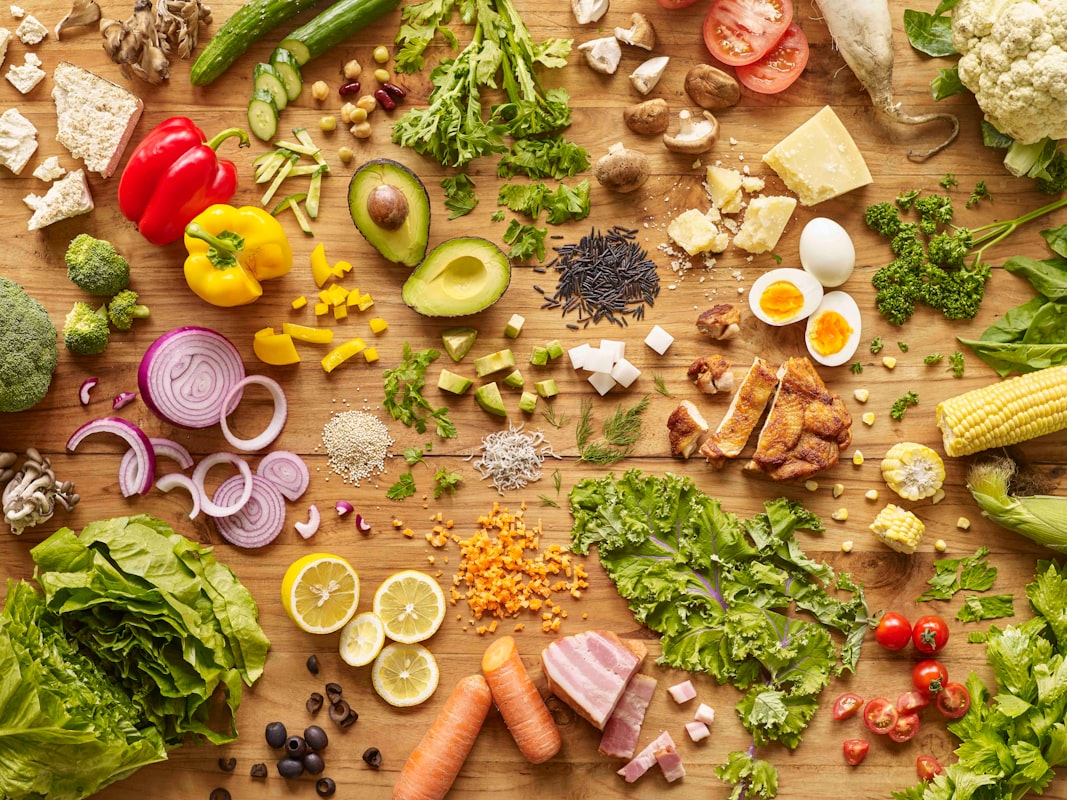
Hydration: The Often-Overlooked Foundation
Proper hydration becomes increasingly important with age, as thirst sensation may diminish. Learn about optimal water intake, electrolyte balance, and how fluid needs shift during physical activity.
Read Article
Plant-Based Foods & Antioxidant Defense
Plant foods rich in antioxidants help combat oxidative stress. Explore colorful vegetables, fruits, legumes, and whole grains that provide protective compounds and support long-term health.
Read Article
Digestive Health & Nutrient Absorption
Digestive efficiency can decline with age, affecting nutrient absorption. Learn about fiber, digestive enzymes, gut health, and eating practices that support optimal breakdown and assimilation of nutrients.
Read ArticleFrequently Asked Questions
Do nutritional needs really change after 40?
Yes, significantly. After 40, metabolism slows by approximately 3-8% per decade, muscle mass naturally declines (sarcopenia), and the ability to absorb certain nutrients like B12 and calcium decreases. Additionally, hormonal changes affect nutrient utilization. These shifts make strategic nutrition more important than ever for maintaining strength, energy, and overall function.
How much protein should I consume daily?
Research suggests men over 40 benefit from 1.0-1.2 grams of protein per kilogram of body weight daily, compared to the general recommendation of 0.8 grams. For a 80 kg (176 lb) man, this means 80-96 grams daily. Distributing protein across 3-4 meals optimizes muscle protein synthesis better than consuming it all at once.
What role does vitamin D play?
Vitamin D is crucial for calcium absorption, bone health, immune function, and mood regulation. Men over 40 often have inadequate levels, especially in northern climates like Germany. Food sources include fatty fish, egg yolks, and fortified products. Many men benefit from testing and potentially supplementing to reach optimal levels (typically 30-50 ng/mL).
Should I eliminate fat from my diet?
No—healthy fats are essential. Omega-3 fatty acids from fish, flaxseed, and walnuts support heart and brain health. Monounsaturated fats from olive oil and avocados aid nutrient absorption. Aim for 25-35% of calories from quality fats. The key is choosing sources wisely and limiting processed, trans-fat-containing foods.
How important is hydration for men over 40?
Very important. Thirst sensation decreases with age, increasing dehydration risk. Proper hydration supports cardiovascular function, cognitive performance, joint health, and digestion. A practical guideline: drink enough water so your urine is pale yellow. Individual needs vary based on activity level, climate, and health status, but most men benefit from 2-3 liters daily.
Are supplements necessary at this age?
Not universally necessary, but strategic supplementation can fill gaps. Common candidates include vitamin D (especially in winter), B12 (if absorption is poor), magnesium, and omega-3s. The best approach is assessment: evaluate your current diet, consider lab testing if appropriate, and consult with a qualified nutrition professional before adding supplements.
Nutrient-Rich Foods Gallery
Explore some of the most nutritious foods for men over 40. These items provide the protein, healthy fats, vitamins, and minerals your body needs to thrive.

Fatty Fish (Salmon, Mackerel)
Exceptional source of omega-3 fatty acids, high-quality protein, vitamin D, and selenium. Supports heart health, brain function, and inflammation management. Aim for 2-3 servings weekly.
Leafy Greens
Spinach, kale, and Swiss chard provide calcium, magnesium, vitamins K and A, and powerful antioxidants. Low in calories, high in nutrients. Incorporate daily for bone and eye health.
Eggs
Complete protein containing all essential amino acids. Yolks provide choline (brain health), lutein (eye health), and selenium. Versatile and affordable. 3-7 eggs weekly fits most healthy diets.
Legumes (Beans, Lentils)
Excellent plant-based protein with fiber, iron, magnesium, and polyphenols. Support digestive health and stable blood sugar. Include several times weekly as part of a balanced diet.
Nuts & Seeds
Almonds, walnuts, chia, and flax provide healthy fats, plant protein, fiber, and minerals. Support cardiovascular health and satiety. A small daily handful complements most diets well.
Colorful Vegetables
Broccoli, bell peppers, carrots, and tomatoes contain diverse antioxidants and phytonutrients. Support immune function and cellular health. Aim for variety—eat the rainbow daily.
Whole Grains
Brown rice, oats, quinoa, and whole wheat provide complex carbs, fiber, B vitamins, and magnesium. Support energy, digestive health, and satiety. Choose whole over refined options.
Lean Proteins
Chicken breast, turkey, fish, lean beef, and plant-based options like lentils and tofu. Essential for muscle repair, recovery, hormone production, and satiety. Aim for 25-35g per meal.
Healthy Fats
Avocados, olive oil, nuts, seeds, and fatty fish (salmon, mackerel). Support hormone production, nutrient absorption, brain health, and cardiovascular function. Include daily in moderation.
Real Results from Real Men
James Mitchell
Age 34, Fitness Enthusiast
"Following Nutrition Gains' protocols, I gained 12 lbs of lean muscle in 3 months while maintaining body fat. The meal plans are practical and delicious!"
Robert Chen
Age 42, Busy Professional
"I was skeptical about fitting nutrition into my schedule. The quick meal prep guides saved me hours. Better energy levels and stronger at the gym!"
David Anderson
Age 28, Recovery Goals
"After injury, I needed to rebuild strength properly. The science-backed nutrition advice helped me return stronger than before. Highly recommend!"
Ready to Transform Your Health?
Get personalized nutrition guidance, meal plans, and expert tips delivered to your inbox. Join thousands of men optimizing their health and performance.
We respect your privacy. No spam, unsubscribe anytime.
Frequently Asked Questions
How much protein do I need daily?
For optimal muscle growth and maintenance, aim for 0.7-1.0 grams of protein per pound of body weight. For a 180 lb man, that's 126-180g daily. Distribute intake across 4-5 meals for maximum muscle protein synthesis.
Can I eat carbs and still lose fat?
Absolutely. Carbohydrates support energy, workout performance, and hormone production. Focus on complex carbs (oats, brown rice, sweet potatoes) and time them around workouts. Fat loss depends on total calorie intake, not carb elimination.
Is meal prep really necessary?
Meal prep isn't mandatory, but it's highly effective. Spending 2-3 hours weekly prepping meals ensures consistency, saves time during busy days, controls portions, and keeps you accountable to your nutrition goals.
Do I need supplements?
Whole foods should be your foundation. However, supplements like whey protein, creatine monohydrate, and vitamin D can fill gaps and support goals. Always prioritize diet quality first, then consider supplements strategically.
How often should I adjust my nutrition plan?
Reassess every 4-6 weeks based on progress, energy levels, and performance. If progress stalls, adjust calories (±200-300), increase protein, or modify macros. Individual responses vary—track results and adapt accordingly.